

Pharmacology Books

Pharmacology Books
Pharmacology Books
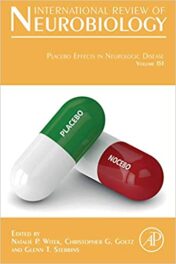
Placebo Effects in Neurologic Disease (ISSN Book 153) (Original PDF)

Pharmacology Books
Pharmacists: Current Challenges and Perspectives (ORIGINAL PDF)

Pharmacology Books
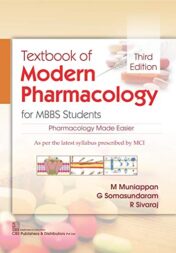
Textbook of Modern Pharmacology for MBBS Students (ORIGINAL PDF)

Pharmacology Books
Clinical Biochemistry and Drug Development: From Fundamentals to Output (Original PDF)

Pharmacology Books
Pharmacoeconomics: From Theory to Practice, 2nd Edition (Original PDF)

Pharmacology Books
Drug-Induced Diseases: Prevention, Detection, and Management, 3rd Edition (Original PDF)

Pharmacology Books
BNF 80 (British National Formulary) September 2020 (Original PDF)

Pharmacology Books
Pharmacology Books

Pharmacology Books
Theory and Applications of Nonparenteral Nanomedicines (Original PDF)
Pharmacology Books
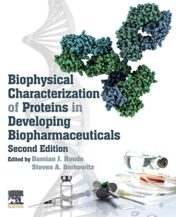
Biophysical Characterization of Proteins in Developing Biopharmaceuticals (Original PDF)

Pharmacology Books


Pharmacology Books
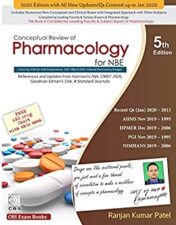
Conceptual Review of Pharmacology for NBE, 5th Edition (Original PDF)
Pharmacology Books
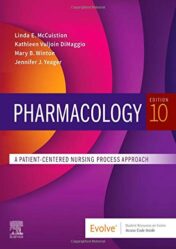
Pharmacology: A Patient-Centered Nursing Process Approach, 10th Edition (Original PDF)



Pharmacology Books
Anticoagulation Therapy: A Point-of-Care Guide, 2nd Edition (Original PDF)
Pharmacology Books
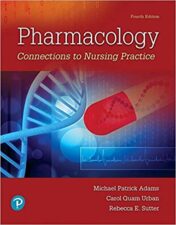
Pharmacology: Connections to Nursing Practice, 4ed (Original PDF)
Pharmacology Books

Pharmacology Books
Pharmacology Books
Lippincott Illustrated Reviews: Pharmacology, 7th Edition (ePub+PDF)
Pharmacology Books
Pharmacology Books
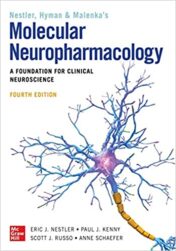
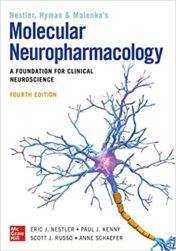
Molecular Neuropharmacology: A Foundation for Clinical Neuroscience, 4ed (HQ PDF)
Introduction
The American Bison, also known as the buffalo, is a large mammal that is native to North America. It is the largest land mammal in the United States and Canada, and is an iconic symbol of the American West. The bison is a member of the Bovidae family, which includes cattle, goats, sheep, and antelopes.
Bison are typically brown or black in color, with a shaggy coat of fur that helps them stay warm in cold climates. They have a large head with short horns, a humped back, and a long tail. Adult males can weigh up to 2,000 pounds and stand up to 6 feet tall at the shoulder. Females are smaller, weighing up to 1,000 pounds and standing up to 5 feet tall.
Bison are herbivores, meaning they feed on grasses, sedges, and other vegetation. They are grazers, meaning they eat small amounts of food throughout the day. They travel in herds and migrate seasonally in search of food and water.
Bison were once abundant across North America, but their population was drastically reduced by hunting and habitat loss. Today, there are estimated to be fewer than 30,000 wild bison in the United States and Canada. Most of these animals live in protected areas such as national parks and wildlife refuges.
The American bison is an important part of the history and culture of the United States. It is a symbol of strength and resilience, and its image has been used on coins, stamps, and other official documents. The bison is also an important species for conservation, and efforts are being made to protect and restore its population.
Conclusion
Pharmacology books are an invaluable resource for medical professionals, students, and researchers alike. They provide comprehensive information on the properties of drugs, their interactions with other substances, and their effects on the body. With a wide range of topics covered, pharmacology books can help readers gain a better understanding of the science behind drug therapy and its implications for patient care. By reading these books, readers can gain a deeper appreciation for the complexities of pharmacology and how it affects our lives.